



Podcast: Play in new window | Download | Embed
Subscribe: Apple Podcasts | Spotify | Amazon Music | Android | RSS
The future of optometry continues to evolve as technology advances, patient expectations grow, and healthcare systems become more complex. In this Defocus Media conversation, Dr. Darryl Glover speaks with Dr. Artis Beatty, Chief Medical Officer of MyEyeDr., about the forces shaping the profession and the responsibility optometrists have in guiding the next era of eye care.
Their discussion explores the growing complexity of optometric practice, the role of private equity, the impact of teleoptometry on patient access, and an important topic that affects many professionals across healthcare: identity and how individuals define themselves through their work.
Dr. Beatty’s perspective comes from both his clinical background and his leadership role within one of the largest optometry organizations in the United States. His insights offer a thoughtful look at how optometrists can navigate change while staying grounded in patient care.
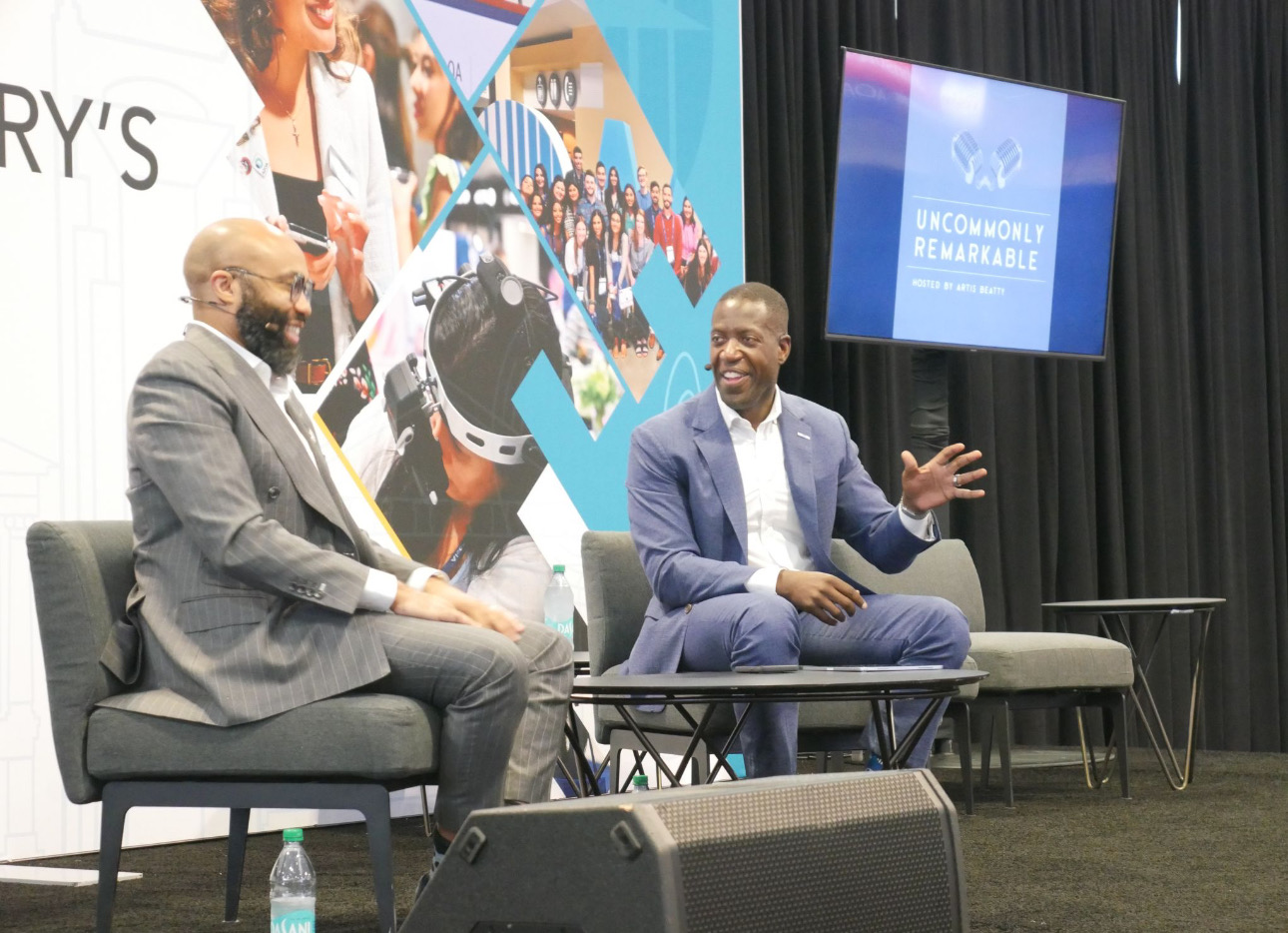
Table of Contents
Who Is Dr. Artis Beatty and What Is His Role at MyEyeDr
Dr. Artis Beatty serves as the Chief Medical Officer of MyEyeDr., where he helps guide the clinical direction and standards of care across a large network of optometry practices.
In this role, he works closely with optometrists and clinical teams to support patient care while also helping the organization navigate the realities of modern healthcare. His work sits at the intersection of clinical medicine and healthcare leadership.
While most optometrists experience the profession primarily through direct patient care in the exam lane, Dr. Beatty’s role allows him to influence care at scale. His responsibility involves ensuring that doctors have the systems, resources, and clinical infrastructure necessary to deliver consistent care across a large organization.
Why Is Modern Optometry Becoming More Complex
One of the central themes discussed during the conversation is the increasing complexity of practicing optometry.
Optometrists today must navigate changing healthcare systems, patient expectations, and evolving technologies. Doctors are asked to balance clinical responsibilities while also understanding how larger healthcare structures influence the delivery of care.
Patients also arrive with more information than ever before, often shaped by online sources and digital platforms. This requires optometrists to spend more time educating patients about the value of comprehensive eye care and the importance of regular examinations.
These realities make the practice environment more complex but also highlight the expanding role optometrists play in healthcare.
How Does Private Equity Influence the Profession of Optometry
Private equity and larger organizational structures have become frequent topics of discussion across the profession of optometry. As healthcare continues to evolve, many doctors are asking important questions about how these models influence clinical practice, professional autonomy, and the long term direction of eye care.
Dr. Beatty acknowledges that much of the conversation surrounding private equity is often shaped by uncertainty and perception. Some optometrists express concern that outside investment could place pressure on clinical decision making or change the traditional structure of independent practice. These concerns reflect a broader conversation happening across healthcare as industries adapt to new economic and operational realities.
At the same time, Dr. Beatty explains that scale can also create opportunities. Larger organizations such as MyEyeDr. are able to invest in infrastructure, advanced technology, and patient support systems that may be difficult for smaller practices to implement on their own. These resources can strengthen clinical workflows, improve access to care, and support doctors with tools that enhance the patient experience.
For example, larger organizations can provide integrated electronic health systems, advanced diagnostic equipment, operational support teams, and professional development opportunities for doctors. These investments can allow optometrists to focus more on patient care while benefiting from the stability and resources of a broader clinical network.
However, Dr. Beatty emphasizes that regardless of the business structure, one principle must remain constant: the integrity of the doctor-patient relationship. Whether an optometrist practices independently or within a larger organization, the responsibility to prioritize patient outcomes and ethical clinical decision making remains central to the profession.
Ultimately, the discussion around private equity reflects a larger shift in healthcare delivery. As optometry continues to grow and adapt, thoughtful leadership will be essential to ensure that new models of practice strengthen the profession while preserving the core values that define patient centered eye care.
Can Teleoptometry Improve Access to Eye Care
Technology continues to influence how healthcare is delivered, and teleoptometry has become part of the broader conversation about improving access to eye care. As the demand for vision care continues to grow, the profession must explore ways to reach patients who may not otherwise receive timely evaluations.
In some communities, access to eye care is limited simply because there are not enough optometrists available to meet the needs of the population. In these situations, teleoptometry can help extend the reach of doctors. Patients may still visit a local clinic or optical location where teleoptometry technology allows an optometrist to assess vision, review findings, and guide the next steps in care.
This model can help identify vision problems earlier and ensure that patients who need a comprehensive eye examination are directed to the appropriate provider. In areas where access to care is limited, these systems can play an important role in connecting patients to doctors and improving overall awareness of eye health.
At the same time, Dr. Beatty emphasizes that technology should support comprehensive eye examinations rather than replace them. The in person clinical exam remains essential for diagnosing ocular disease, monitoring eye health, and building the doctor patient relationships that are central to quality care.
As optometry continues to evolve, the most effective approach will likely involve a thoughtful balance between technology and traditional clinical practice. When used responsibly, teleoptometry can help expand access to care while preserving the clinical standards that define the profession.
What Does the Future of Optometry Look Like
Despite the challenges facing healthcare, the future of optometry remains promising.
The profession continues to evolve as technology advances, business models change, and patient expectations grow. These shifts require optometrists to remain adaptable and thoughtful about how they approach patient care.
Leadership, curiosity, and a commitment to learning will play an important role in shaping the next generation of optometrists.
Why Is Professional Identity Important in Healthcare
One of the most meaningful moments in the conversation centers on the concept of identity.
Dr. Beatty explains that professionals can struggle when their identity becomes completely tied to their career. Similar challenges appear in other professions. Military leaders transitioning out of service or professional athletes facing career ending injuries often experience a loss of identity because their sense of self was closely connected to their role.
Healthcare professionals can experience similar challenges if they define themselves only by their profession.
Maintaining interests, relationships, and personal growth outside of work can help individuals maintain a healthier balance while still remaining dedicated to their careers.
What Podcasts and Media Platforms Does Dr. Beatty Host
In addition to his work in clinical leadership, Dr. Beatty also shares ideas through podcasting and online media. He explains that his involvement in podcasting grew partly from conversations with Dr. Glover and from a desire to explore ideas beyond traditional clinical discussions.
Uncommonly Remarkable
Dr. Beatty hosts Uncommonly Remarkable, a platform focused on conversations and reflections that encourage professionals to think more deeply about their work, leadership, and personal development.
The platform also includes interview-based conversations through Uncommonly Remarkable in Conversation.
Wrench and Reason
Dr. Beatty also created Wrench and Reason, a YouTube channel centered on understanding the mechanics behind vehicles and automotive engineering, including electric vehicles.
He describes the project as an opportunity to explore a personal interest while also learning how platforms such as YouTube function from an algorithm and content creation standpoint. Over time the channel experienced significant growth and engagement.
For Dr. Beatty, these projects represent a way to explore ideas and interests outside of clinical leadership while continuing to learn and grow.
The conversation between Dr. Darryl Glover and Dr. Artis Beatty highlights how the profession of optometry continues to evolve.
Technology, access to care, and changing business structures will continue shaping how eye care is delivered. At the same time, the responsibility of the profession remains clear.
Optometrists play a critical role in protecting vision, supporting patient health, and guiding individuals through the complexities of eye care.
As the profession moves forward, thoughtful leadership and a clear understanding of identity will help shape the future of optometry.

