



Podcast: Play in new window | Download | Embed
Subscribe: Apple Podcasts | Spotify | Amazon Music | Android | RSS
Key Takeaways
- Dry eye is often missed: Many patients already have signs of ocular surface disease, even if they do not say it directly.
- Intense Pulsed Light (IPL) and Low-Level Light Therapy (LLLT) treat the root cause: This approach targets both inflammation and gland function.
- Treat earlier, treat better: Early treatment can reduce the number of treatment sessions and improve outcomes.
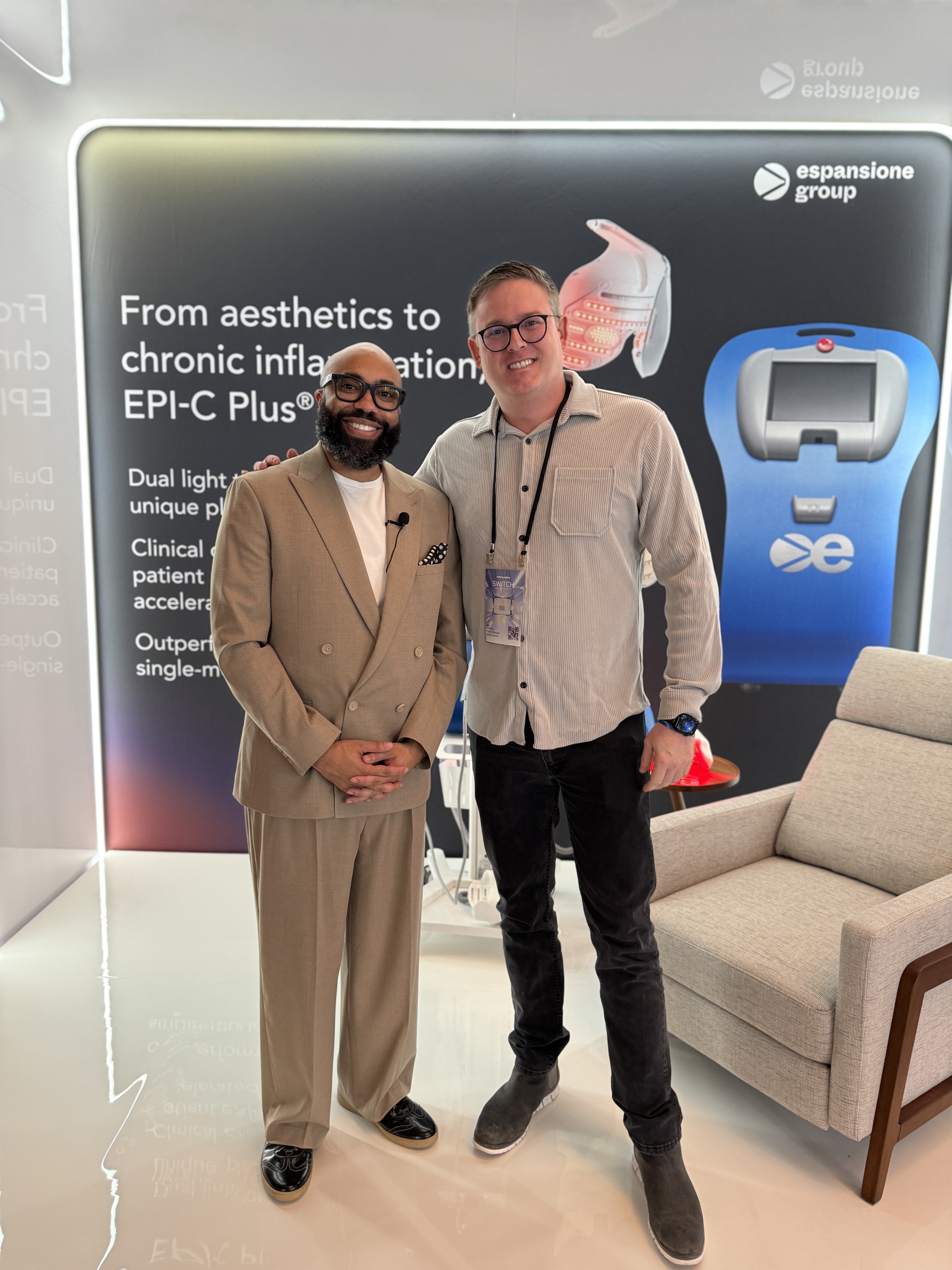
Intense Pulsed Light (IPL) and Low-Level Light Therapy (LLLT) in ocular surface care are changing how dry eye disease is treated for both patients and eye care professionals. In this episode, Dr. Darryl Glover and Josh Olberding, National Director of Technology at EssilorLuxottica, discuss how technologies like the EPI-C Plus® Light Therapy Solution, featuring OPE IPL – Optimal Power Energy® Intense Pulsed Light, are helping clinicians move beyond temporary relief and toward treating the underlying causes of dry eye.
A central theme throughout the conversation is simple: dry eye is already in the chair. Many patients have symptoms or early signs, but they are not always identified or treated in a meaningful way.
Understanding IPL and LLLT in Ocular Surface Care
IPL and Inflammation
From the chair, inflammation is often the driving force behind meibomian gland dysfunction. IPL is used to improve the eyelid environment by targeting inflammatory contributors, including vascular and skin-related factors.
With systems like the EPI-C Plus Light Therapy Solution, clinicians can deliver consistent energy through OPE IPL, allowing for a more controlled and repeatable treatment approach. This supports improved gland function and a more stable tear film.
LLLT and Cellular Function
LLLT complements IPL by working at the cellular level. In many patients, gland dysfunction is not solely obstructive—it is functional.
By stimulating cellular activity, LLLT helps improve gland performance. When combined with IPL, this approach addresses both the inflammatory drivers and the functional limitations contributing to ocular surface disease.
Dry Eye Is Already in Your Chair
An Underserved Condition
Dry eye remains one of the most underserved areas in clinical practice. A large percentage of patients present with subtle symptoms or early clinical signs but are not treated beyond basic recommendations.
From a clinical standpoint, this represents a missed opportunity to intervene earlier in the disease process.
A Shift in Clinical Thinking
Instead of waiting for patients to report symptoms, clinicians should assume that many patients have some level of ocular surface disease.
From the chair, fluctuating vision, inconsistent refractions, or contact lens intolerance should immediately raise suspicion for underlying dry eye.
Why Ocular Surface Health Matters
Impact on Vision
What this means clinically is that the tear film plays a direct role in visual outcomes. An unstable tear film leads to fluctuating vision, which can impact refraction accuracy and patient satisfaction.
If the ocular surface is not addressed, even the most precise prescription may not perform as expected.
Broader Clinical Relevance
Ocular surface disease affects multiple areas of care, including contact lens success and surgical planning.
What this means clinically is that treating the ocular surface before finalizing a prescription or proceeding with surgery can significantly improve outcomes.
Treat Earlier, Treat More Effectively
Identifying the Right Patients
From the chair, patients presenting with irritation, fluctuating vision, or reduced contact lens tolerance should be evaluated for ocular surface disease.
These patients are not exceptions—they are common in everyday practice.
Reducing Treatment Burden
One of the most practical takeaways is that earlier treatment leads to fewer required sessions.
What this means clinically is that introducing technologies like the EPI-C Plus Light Therapy Solution earlier in the disease process can improve efficiency while delivering better outcomes.
The Patient Experience
A Different Treatment Experience
Patients often perceive IPL and LLLT treatments as more comfortable compared to traditional approaches. This improves overall acceptance and engagement.
Setting Clinical Expectations
Patients typically undergo a defined treatment series followed by maintenance as needed.
Clear communication around this process is essential to ensure adherence and long-term success.
Applying This in Practice
Workflow Integration
From a practical standpoint, these treatments can be integrated into clinical workflow without significant disruption. With proper training, team members can support screening, education, and treatment delivery.
Communicating Clinical Value
Patients are more likely to move forward with treatment when they understand the cause of their symptoms. What this means clinically is that clear, confident communication directly impacts treatment acceptance.
A few key principles can make a meaningful difference:
- Lead with the cause, not the solution: Start by explaining what is driving the symptoms—such as inflammation or gland dysfunction—before introducing treatment. This helps patients see the recommendation as necessary rather than optional.1
- Connect findings to lived experience: Tie clinical observations to the patient’s day-to-day experience, such as fluctuating vision or discomfort with screen use. This makes the diagnosis more tangible.2
- Communicate with clarity and confidence: Direct, simple language builds trust. When patients understand both the problem and the rationale for treatment, they are more likely to move forward.3
Clinical and Practice Impact
Improved Outcomes
By addressing both inflammation and gland function, IPL and LLLT provide more consistent improvements in comfort and visual stability.
Practice Opportunity
Dry eye is already present in a large portion of the patient population. From a practice perspective, identifying and treating these patients more effectively improves care, strengthens long-term patient relationships, and creates meaningful opportunities for sustainable growth in practice.
The key takeaway is clear: the opportunity is already in the chair. Identifying dry eye earlier and treating it effectively leads to better outcomes and a higher standard of care.
Explore more conversations from Defocus Media to continue learning how to improve patient outcomes and elevate your clinical approach.
References: 1. Agency for Healthcare Research and Quality. Health Literacy Universal Precautions Toolkit, 2nd Edition. Rockville, MD: AHRQ; 2015. 2. Centers for Disease Control and Prevention. Simply Put: A Guide for Creating Easy-to-Understand Materials. 3rd ed. Atlanta, GA: US Department of Health and Human Services; 2009. 3. American Medical Association. Health Literacy and Patient Safety: Help Patients Understand. Chicago, IL: American Medical Association; 2007.
