



Podcast: Play in new window | Download | Embed
Subscribe: Apple Podcasts | Spotify | Amazon Music | Android | RSS
Mentorship in optometry is one of the most influential forces shaping confident clinicians, strong leaders, and a sustainable future for the profession. Whether you are an experienced optometrist or an optometry student just beginning your journey, meaningful mentorship does not happen by chance—it is built through intention, trust, and follow-through.
This conversation was explored alongside Dr. Jacobi Cleaver, Chief Program Officer at Black EyeCare Perspective and co-host of the OD’ing on Movies podcast. Through his work in mentorship, education, and storytelling, Dr. Cleaver has helped shape pathways for optometry students and early-career optometrists by connecting clinical development with identity, culture, and purpose.
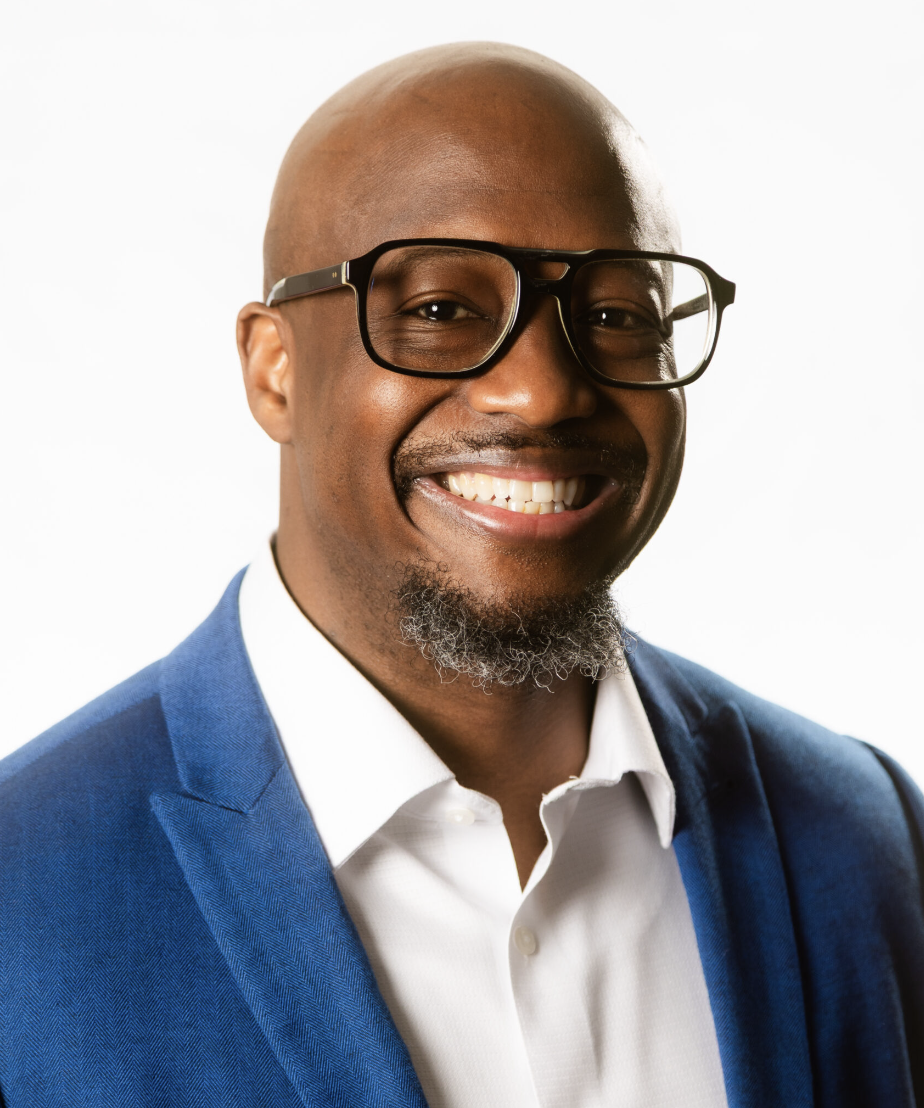
His perspective reinforces why mentorship in optometry must extend beyond technical skill-building. It is about access, representation, and helping future optometrists see what is possible—not only in patient care, but in leadership, advocacy, and innovation across the profession.
Effective mentorship in optometry requires clarity on both sides of the relationship. Below is a practical framework outlining the role of the optometrist as a mentor and the responsibility of the optometry student or early-career optometrist as a mentee.
Table of Contents
The Mentor’s Role in Optometry
1. Normalize the Struggle in the Optometry Journey
Mentorship in optometry starts with honesty.
Every optometrist—regardless of practice setting—has experienced uncertainty, self-doubt, and imposter syndrome at some point in their career. These feelings do not disappear after graduation. Strong optometry mentors create psychological safety by openly acknowledging that clinical confidence is built through experience, repetition, and reflection—not perfection.
When optometry students and early-career optometrists feel seen, they are more receptive to learning and growth.
2. Give Optometry Students Real Clinical and Professional Exposure
Once trust is established, mentorship in optometry becomes practical.
The most impactful optometrist mentors allow optometry students and young doctors to see real-world optometry in action. This may include shadowing in the clinic, observing patient conversations, sitting in on team discussions, or reviewing how clinical and business decisions are made.
Exposure bridges the gap between optometry education and real-world practice, helping mentees understand how theory translates into patient care.
3. Be Consistent With One Simple Mentorship Action
Effective mentorship in optometry does not require a formal program—it requires reliability.
A quick check-in, a follow-up message, an introduction, or honoring a commitment may seem small, but consistency builds trust. Over time, trust is what transforms mentorship from advice into real professional development.
The Mentee’s Role in Optometry
4. Be Honest About Where You Are as an Optometry Student or Early-Career Optometrist
Strong mentorship in optometry starts with self-awareness.
Optometry students and early-career optometrists do not need to have everything figured out, but they do need to be clear about their knowledge gaps, goals, and areas of uncertainty. Honest communication allows mentors to provide relevant guidance and support.
Mentors cannot guide what they cannot see.
5. Show Up Prepared and Curious
Mentorship in optometry is a two-way exchange.
The optometry students who grow the fastest are not always the most confident—they are the most engaged. Showing up prepared with questions, listening during clinical exposure, and reflecting on feedback demonstrate respect for the opportunity.
Curiosity accelerates learning.
6. Take Action and Follow Through
Advice only matters when it is applied.
If an optometrist mentor makes an introduction, follow up. If clinical or professional feedback is given, implement it. Progress—even in small steps—builds credibility and keeps mentorship relationships strong.
Execution is what turns mentorship into momentum.
Mentorship in optometry works best when optometrists and optometry students share responsibility for the relationship. When both sides show up with honesty, intention, and consistency, mentorship becomes a powerful force for clinical excellence, leadership development, and long-term impact in the profession.
If mentorship helped shape your journey in optometry, the responsibility is clear: invest in the next generation of optometrists.
Mentorship in optometry thrives when connection evolves into commitment. Community opens the door, but shared responsibility is what sustains growth. When mentors lead with honesty and consistency, and mentees lead with accountability and action, mentorship becomes more than guidance—it becomes culture.
For optometry students and practicing optometrists alike, the message is clear: build the village you once needed, and be intentional about your role within it.

