



Podcast: Play in new window | Download | Embed
Subscribe: Apple Podcasts | Spotify | Amazon Music | Android | RSS
For many optometrists, the biggest obstacle to implementing myopia management isn’t believing in the science—it’s knowing where to begin. Questions about treatment selection, pricing, clinical protocols, follow-up schedules, staff training, and equipment often leave practices feeling overwhelmed before they ever see their first patient. While research supporting myopia control continues to grow, translating that evidence into an efficient, profitable workflow remains a challenge for many eye care professionals.
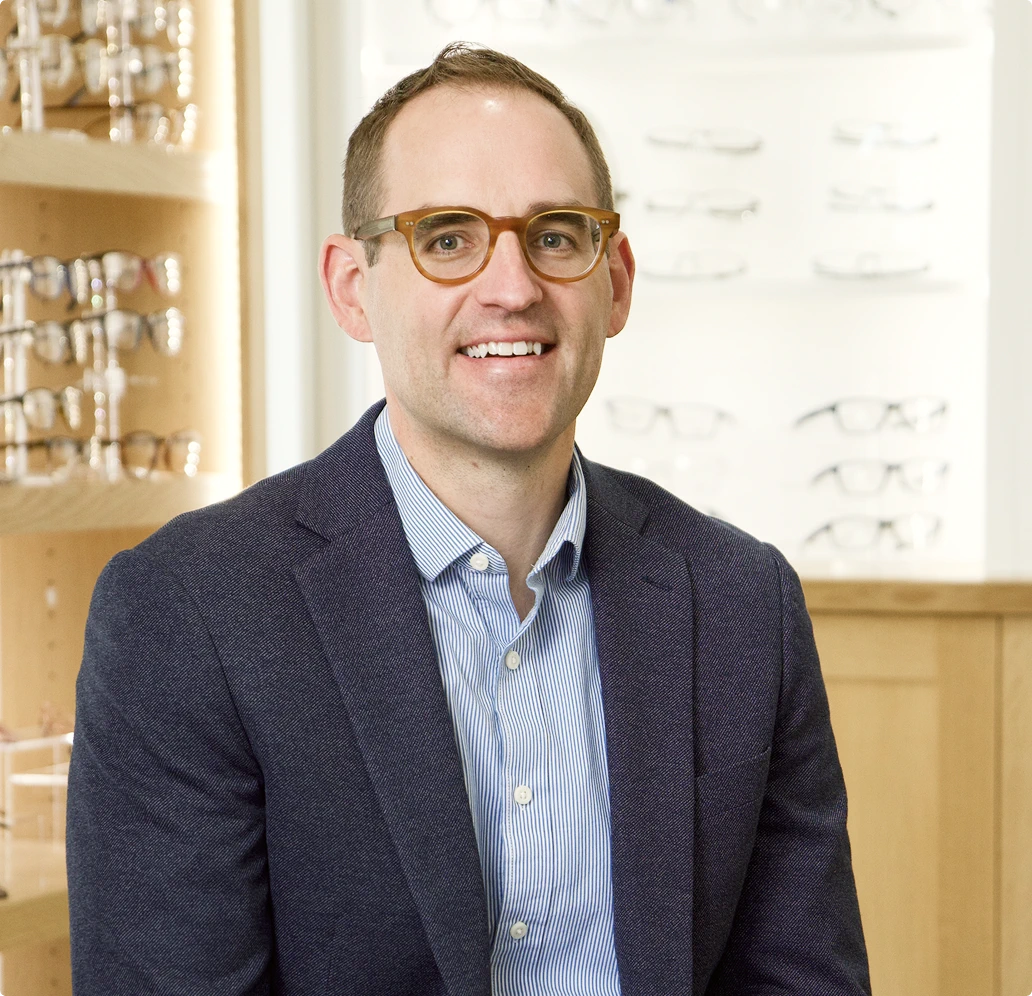
In this Defocus Media conversation, Dr. Jennifer Lyerly welcomes Dr. Kyle Klute, owner of Good Life Eye Care and co-founder of Practice Performance Partners, to simplify the process. Rather than presenting myopia management as another specialty service requiring expensive technology or complicated protocols, Dr. Klute reframes it as something every practice already knows how to build—a clinical system. Through practical advice and real-world examples, he outlines how practices can confidently launch, refine, and grow a successful myopia management program while delivering better long-term outcomes for their pediatric patients.
Topics Covered:
Mindset Is the First Treatment Every Practice Needs
Before discussing contact lenses, spectacle lenses, atropine, or axial length measurements, Dr. Klute makes an important point: implementation begins with belief.
Drawing from Atomic Habits, he explains that beliefs drive actions, and repeated actions reinforce those beliefs. If a doctor isn’t fully convinced that slowing myopia progression is one of the best things they can offer a child, no protocol or marketing s, those conversations become optional rather thantrategy will consistently succeed. Eventually those conversations become optional instead of routine, and patients miss opportunities for intervention.
Developing that confidence means spending time with the evidence. Dr. Klute encourages clinicians to review the International Myopia Institute (IMI) reports, long-term MiSight studies, emerging Stellest data, and peer-reviewed research available through resources like Open Evidence. The goal isn’t simply learning another treatment—it is becoming convinced that managing myopia rather than simply correcting it should be part of everyday pediatric eye care.
When doctors truly believe in the value of myopia management, conversations with parents become educational rather than persuasive.
Build Systems Before Expanding Myopia Control Treatments
One of the most practical lessons from the discussion is that practices often delay implementation because they try to offer every treatment option immediately. With MiSight, Stellest, orthokeratology, atropine, and combination therapies all available, it’s easy to become overwhelmed.
Dr. Klute recommends taking the opposite approach.
Rather than mastering every option, choose one treatment your practice believes in and build a repeatable workflow around it. From there, identify the clinical tests needed to support that treatment and establish the triggers that automatically initiate a conversation about myopia management.
These triggers may include progressive refractive error, a young child developing myopia, significant annual prescription changes, or a strong family history of high myopia. Once those criteria are clearly defined, every provider follows the same pathway, creating consistency regardless of which doctor sees the patient.
The beauty of this approach is its simplicity. Systems create confidence, and confidence creates consistency.
Educating Parents Is More Important Than Closing the Conversation
Many doctors worry about how parents will respond when myopia management is introduced, particularly when discussing program fees or contact lenses for children.
Not every family needs to begin treatment on the day of diagnosis. Some parents are ready immediately, particularly if they have experienced high myopia themselves. Others simply need time to learn, ask questions, and discuss the decision at home. Instead of forcing an immediate commitment, his practice provides educational materials, videos, and follow-up appointments so families can make informed decisions without feeling rushed.
Dr. Jennifer Lyerly shares a similar philosophy. Rather than measuring success by enrollment, she measures success by awareness. If every eligible family leaves the practice understanding that myopia management exists and knowing it is available, the practice has already succeeded in fulfilling its responsibility as a healthcare provider.
Technology Should Support the Program, Not Delay It
Another common misconception is that practices need axial length measurement before they can begin offering myopia management.
Both doctors disagree.
While axial length provides valuable clinical information and creates more engaging follow-up visits, it should never become a barrier to implementation. Dr. Klute successfully managed myopia patients for years using refraction alone before adding axial length measurements to his practice.
Once implemented, however, axial length becomes a powerful educational tool. Parents often understand eye growth more easily than prescription changes, making treatment progress far more tangible. It also provides greater confidence when deciding whether therapy should continue unchanged or whether combination treatments should be considered
Build a Sustainable Myopia Management Program Through Value and Team Alignment
A successful myopia management program requires more than choosing the right treatment—it requires a system that is both financially sustainable and supported by the entire practice. Dr. Kyle Klute recommends pricing services based on the value of the doctor’s time and the clinical care provided, rather than simply the cost of the product. Understanding practice overhead and chair time allows doctors to confidently communicate program fees with parents.
Just as important is ensuring the entire team is aligned. From technicians to opticians, every staff member should understand the practice’s protocol and consistently reinforce patient education. With clear workflows, ongoing training, and shared goals, practices can create a seamless patient experience that supports both better outcomes and long-term practice growth.
The conversation between Dr. Jennifer Lyerly and Dr. Kyle Klute reinforces an encouraging reality: implementing myopia management does not require perfection. It requires commitment.
Practices don’t need every treatment modality, every diagnostic instrument, or every answer before getting started. They need confidence in the science, a simple clinical workflow, a well-trained team, and a willingness to educate every eligible family about the opportunities available to slow childhood myopia.
As Dr. Lyerly reminds listeners, the goal isn’t to enroll every patient in treatment. The true measure of success is ensuring every child and every parent knows myopia management exists and has the opportunity to make an informed decision.

