



Podcast: Play in new window | Download | Embed
Subscribe: Apple Podcasts | Spotify | Amazon Music | Android | RSS
Key Takeaways
- Strong doctor-patient communication that builds trust and improves patient retention
- Personalized doctor-to-optical handoffs that create a smoother patient journey
- Optical staff training focused on patient education, empathy, and better service
- Clear explanations of lens recommendations and treatment plans to improve patient confidence
- Eye Care Coach strategies that strengthen teamwork, workflow, and practice growth
Many eye care practices believe growth comes from adding the newest technology, investing in expensive equipment, or increasing marketing efforts. While those strategies can help, some of the biggest opportunities for practice growth already exist inside the patient journey itself.
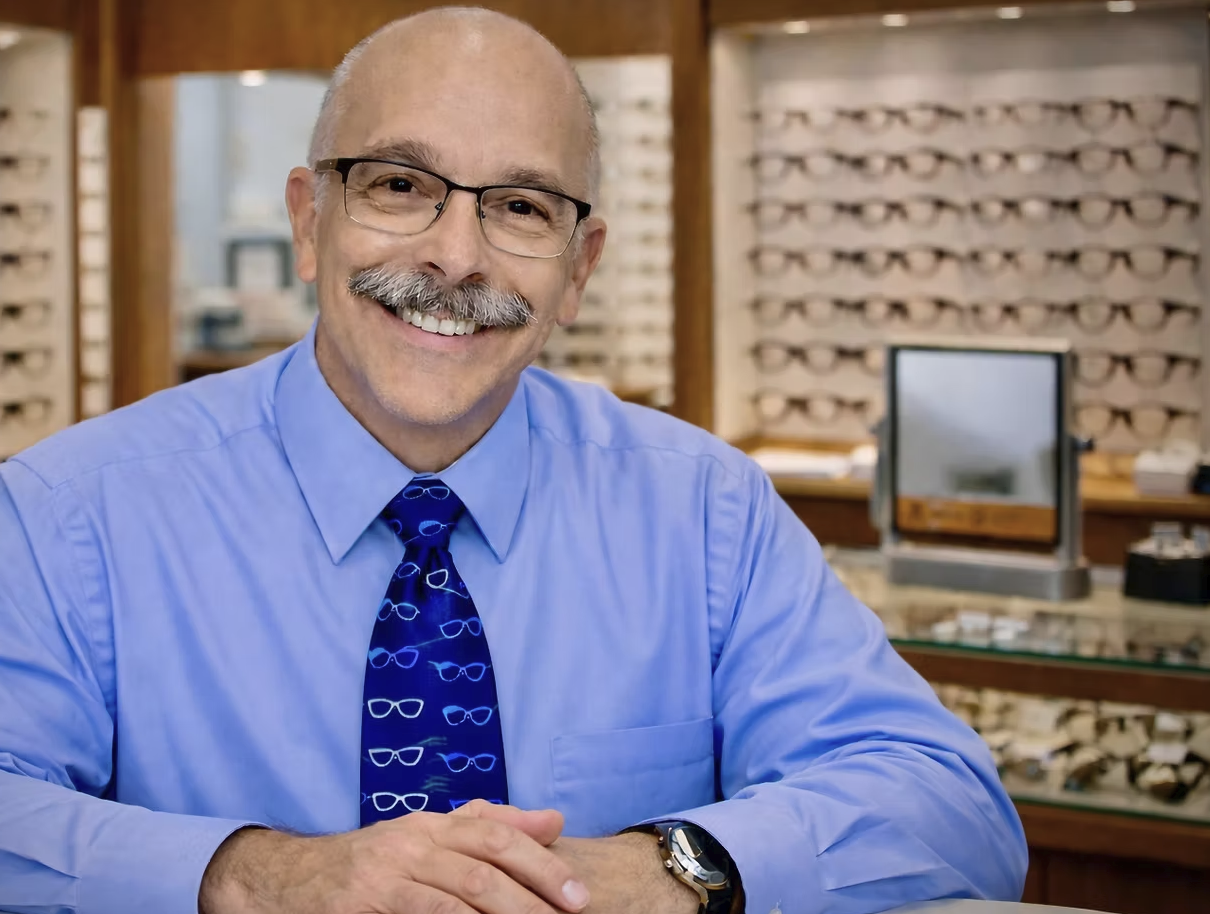
During a recent Defocus Media podcast, Dr. Darryl Glover sat down with Dean Thompson, known as The Eye Care Coach, to discuss how communication, staff education, and patient experience directly impact practice success. Drawing on more than 40 years of experience in optical, retail, education, and consulting, Thompson shared how small breakdowns within a practice often become hidden “profit bleeds” that slowly erode patient trust and long-term growth.
The conversation focused on one major theme: the patient experience in eye care is built by the entire team, not just the doctor.
What Is an Eye Care Coach?
An Eye Care Coach helps eye care practices improve the way they communicate, educate patients, train teams, and manage the patient journey from start to finish.
According to Dean Thompson, many practices miss opportunities not because of poor clinical care but because of inconsistent communication between the exam room and the optical. An Eye Care Coach identifies those weak points and helps practices create smoother systems that improve both patient satisfaction and operational efficiency.
That can include:
- Strengthening doctor-to-optical handoffs
- Reducing remakes
- Improving optical communication
- Training staff on lens technology and lifestyle conversations
- Evaluating patient experience touchpoints
- Improving team confidence and consistency
Thompson explained that many practices become blind to their own inefficiencies because those problems become normalized over time. Sometimes it takes an outside perspective to identify where the patient journey breaks down.
Why Patient Experience in Eye Care Matters
Throughout the conversation, Dr. Darryl Glover emphasized that patients remember how they were treated far more than the exact product they purchased.
A patient’s experience in eye care begins the moment someone walks through the door. The greeting at check-in, the handoff from the doctor to optical, the optician’s confidence, and even the team’s eye contact all contribute to how patients perceive the practice.
According to Thompson, many practices unintentionally create disconnects during transitions. A patient may receive a strong clinical experience in the exam room but then feel lost or unsupported once they enter optical.
That disconnect can erode trust, reduce retention, and increase the likelihood that patients leave without purchasing eyewear or return elsewhere in the future.
Dr. Glover highlighted how even small gestures matter. A doctor walking a patient to optical, introducing them personally to the optician, or ensuring someone acknowledges the patient immediately can dramatically improve the overall patient journey.
Education Creates Better Patient Trust
One of the biggest themes throughout the podcast was the importance of education.
Many optometrists regularly attend continuing education meetings to learn about topics such as dry eye treatment, myopia management, progressive lens technology, and presbyopia solutions. However, Thompson explained that this knowledge often stays isolated inside the exam lane.
Meanwhile, opticians and eyewear consultants are expected to confidently reinforce recommendations without receiving the same level of education or coaching.
That inconsistency can weaken the patient experience in eye care.
Thompson encouraged doctors to actively involve their teams in learning opportunities. Team meetings, role-playing exercises, discussions about continuing education pearls, and product training can all help create more confident and informed staff members.
As Thompson stated during the episode, “What’s wrong with sharing OD knowledge with an optician? It just makes me better.”
When the entire team understands the “why” behind recommendations, patients feel more confident moving forward with treatment plans, premium lenses, or specialty products.
Education Should Replace Selling
Another major takeaway from the discussion was the importance of leading with education instead of aggressive sales tactics.
Rather than pushing patients toward the most expensive option, Thompson encouraged practices to first understand the patient’s lifestyle, work environment, hobbies, and visual frustrations.
As Thompson explained, “I’m not gonna say, ‘Here’s good, better, best,’ and hope that they pick the right one. I’m gonna make a recommendation. Based on what you’ve told me, this is my recommendation.”
That approach shifts the conversation from transactional selling to personalized problem-solving.
Patients who feel educated instead of pressured are more likely to trust recommendations, remain loyal to the practice, and refer friends and family. Over time, that trust often becomes more valuable than a single high-ticket sale.
Why Small Improvements Create Big Results
One of the most powerful ideas from the conversation was that practices do not always need dramatic operational changes to improve profitability.
Often, the biggest gains come from strengthening small moments throughout the patient journey:
- Better handoffs
- Stronger communication
- Improved measurements
- More educated staff
- Consistent messaging
- Intentional patient interactions
Thompson repeatedly referred to these opportunities as “5% improvements.” Individually, they may seem minor. Together, they can transform both the patient experience and practice performance.
He also stressed the importance of treating every patient interaction with care and professionalism, regardless of the product price point or patient demographic. According to Thompson, premium service should never depend on the patient’s zip code or appearance.
Final Thoughts
Dr. Darryl Glover and The Eye Care Coach, Dean Thompson, delivered a powerful reminder that the future of eye care will not be defined solely by technology or clinical expertise. It will be defined by practices that create meaningful patient experiences through communication, education, trust, and teamwork.
Practices that invest in their people often achieve higher retention, fewer remakes, a stronger culture, and more loyal patients. At the end of the day, patients may forget every lens feature or frame detail, but they will always remember how the practice made them feel.
The blueprint for better patient experience in eye care already exists. The question is whether practices are willing to slow down, evaluate the journey, and intentionally improve the small moments that matter most.
For more conversations shaping the future of optometry, be sure to subscribe to and follow Defocus Media, Optometry’s #1 podcast network, for expert insights, industry leaders, and the latest discussions helping eye care professionals grow their practices and elevate patient care.

